

Indoor Plant Care Guide
Published
July 8, 2026
Author
The Searles Gardening Team
Winter can be a tricky season for indoor plants. Shorter days, drier heated air, and slower growth all mean your houseplants need a different kind of care than they do in the warmer months. The good news is that keeping them healthy doesn't require a complete overhaul, just a few simple seasonal adjustments. At Searles, we've been helping Australian gardeners grow with confidence since the 1970s, indoors and out. Here's how to look after your indoor plants this winter, so they come through the cold months strong and ready to burst into growth once spring arrives.
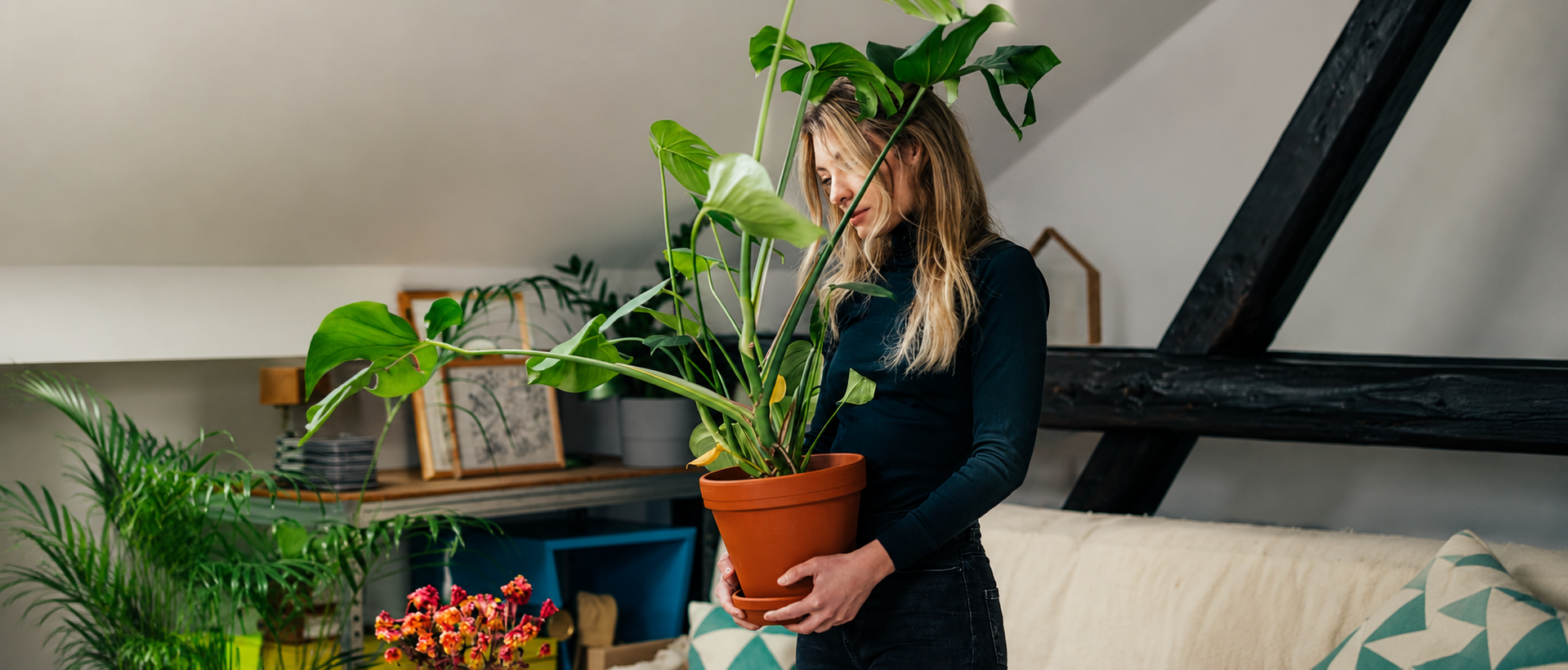
Winter days are shorter and the sun sits lower in the sky, which means less intense light reaches your indoor plants. Move pots closer to your brightest windows to make the most of the available daylight, and rotate them every couple of weeks so all sides get an even share of light. This simple habit prevents plants from leaning or growing lopsided as they stretch towards the light source.
Most indoor plants grow more slowly during winter, so their water needs drop as well. Always check that the top layer of potting mix has dried out before watering again, and make sure pots are never left sitting in water, as this is one of the fastest ways to cause root rot over the cooler months.
At the same time, indoor heating can strip moisture from the air, which is tough on tropical species used to humidity. Grouping plants together, sitting them on pebble trays filled with water, or running a humidifier nearby are all easy ways to counteract dry indoor air.
Most indoor plants are happiest between 18–24°C, so try to keep them within this comfortable range. Keep pots away from heaters, fireplaces, air-conditioning vents and cold draughts from doors and windows, as sudden temperature swings can cause leaf burn, stress or dryout. It's also worth protecting cold-sensitive species from frosty windows overnight, since glass can get surprisingly cold once the sun goes down.
Because growth naturally slows in winter, most houseplants need little or no fertiliser until new growth appears in spring. When that new growth does show up, resuming a regular feed will help your plants make the most of the warmer, brighter conditions. A controlled-release option like Searles Robust Controlled Release Fertiliser - Pots & Indoors is an easy way to feed indoor plants without the guesswork, while a liquid option such as Searles Flourish Soluble Plant Food - Indoor & Greening is well suited to plants that are just starting to put on fresh leaves.
While you're easing off the fertiliser, don't ease off the grooming. Wipe dust from foliage with a soft, damp cloth so leaves can absorb as much of that limited winter light as possible, and trim off any yellow or damaged leaves to improve airflow and keep plants looking their best.
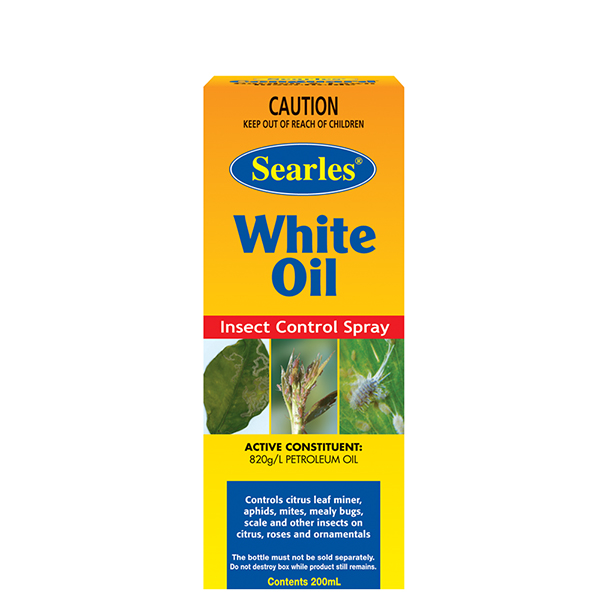
Dry indoor conditions over winter can encourage spider mites, mealybugs and scale insects, so it pays to inspect your plants regularly, checking under leaves and along stems where pests like to hide. If you do spot an infestation, treat it early before it spreads. Searles White Oil Insect Control Spray is a low-toxicity option suitable for indoor use against common sap-suckers like mites, mealybugs and scale, while Searles Ecofend Vegetable & Garden Insect & Mite Spray offers an organic, soap-based alternative for tackling infestations as soon as they appear.
Unless a plant is completely rootbound or in obvious distress, it's best to leave repotting until spring. Plants recover far more quickly from the disturbance of repotting when they're actively growing, rather than sitting dormant through the cooler months. When spring does roll around and it's time to give a plant a fresh start, a good quality mix such as Searles Premium Potting Mix will give roots the drainage and nutrients they need to settle in quickly.
A little extra attention during winter goes a long way towards keeping your indoor plants healthy, vibrant and ready to burst into fresh growth when warmer weather returns. By adjusting light, water, humidity and feeding to match the season, and staying on top of pests and grooming, your houseplants will sail through winter with minimal fuss.
No matter where you are in Australia, you can find the Searles range at your local garden centre. Find your closest stockist through our Where to Buy page and get set up for a healthy winter indoors.
Less often than in summer. Most indoor plants slow their growth in winter, so let the top layer of potting mix dry out before watering again, and never let pots sit in water.
Generally, no. Most houseplants need little or no fertiliser while they're dormant over winter. Resume regular feeding once you see new growth appear in spring.
Most indoor plants do best between 18–24°C. Keep them away from heaters, fireplaces, air-conditioning vents, cold draughts and frosty windows overnight.
Inspect plants regularly for spider mites, mealybugs and scale, which flourish in dry indoor conditions. Treat any infestation early with a suitable product like Searles White Oil or Searles Ecofend Insect & Mite Spray.
No matter where you live in Australia, you can find Searles products at your local garden centre.
Found this article helpful?
Find where to buy these recommended Searles products near you!
.png)
.png)