Mulching plays a quiet yet powerful role in healthy gardens, and at Searles Gardening, it is recognised as a foundation for long-term soil vitality. A well-applied mulch layer protects soil, balances moisture, and supports plant growth without constant intervention. From decorative finishes to nutrient-rich organic options, mulching offers both function and visual appeal. This guide explains the different types of mulch and the practical benefits that mulching brings to gardens across Australia.
Key Takeaways
- Mulch helps retain moisture and reduce watering needs
- Organic mulch improves soil quality over time
- It controls weeds and stabilises soil temperature
- Different mulch types suit different garden needs
- Consistent application supports long-term plant health
-
What Is Mulching?
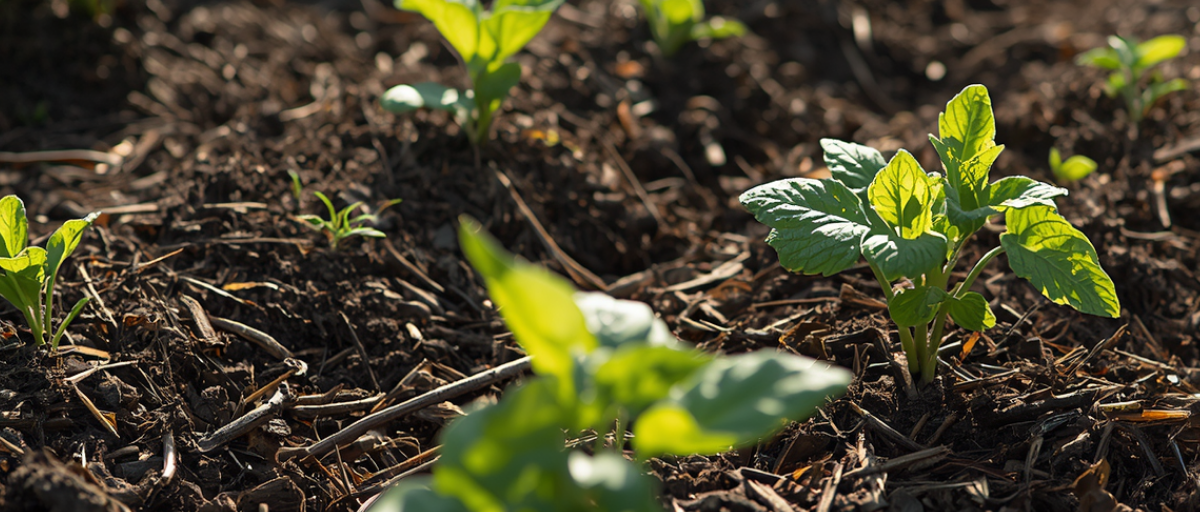
Mulching refers to covering soil with a protective layer of material. This layer acts as a barrier between soil and external elements such as heat, wind, and heavy rain, helping to create a more stable growing environment. It reduces direct exposure to harsh weather conditions, which can otherwise impact soil quality and plant health.
According to research, mulching is one of the most effective ways to improve soil structure and reduce erosion. It also supports better moisture retention, limits weed growth, and contributes to a healthier soil ecosystem over time.
Types of Mulch
1. Organic Mulch
Organic mulch is derived from natural materials and gradually breaks down, enriching the soil.
Common types include:
- Bark chips: Long-lasting and ideal for garden beds, helping retain moisture while adding a neat, natural finish.
- Straw and hay: Lightweight and effective for vegetable gardens, supporting moisture retention and reducing weed growth.
- Compost: Rich in nutrients, improving soil structure and supporting healthy plant development over time.
- Sugarcane mulch: Popular in Australian gardens for its fine texture and ability to lock in moisture efficiently.
- Wood chips: Durable and suitable for pathways or large areas, offering gradual nutrient release as decomposition occurs.
Benefits extend beyond surface protection. As breakdown occurs, nutrients are released into the soil, improving fertility.
2. Inorganic Mulch
Inorganic mulch does not decompose and is often used for decorative or long-term coverage.
Examples include:
- Gravel: Provides excellent drainage and is suitable for pathways, driveways, and low-maintenance garden areas.
- Pebbles: Adds a clean, decorative finish to garden beds while helping reduce evaporation and surface weed growth.
- Landscape fabric: Acts as a barrier beneath other materials, effectively preventing weeds while allowing water to pass through.
- Rubber mulch: Made from recycled materials, offering long-lasting coverage and strong resistance to breakdown over time.
While nutrient contribution is limited, inorganic mulch offers durability and strong weed suppression.
3. Living Mulch
Living mulch consists of low-growing plants that cover the soil naturally, creating a protective and self-sustaining layer.
Common options:
- Ground covers: Dense, low-growing plants that spread across the soil, helping to suppress weeds and maintain moisture levels.
- Clover: A hardy option that improves soil fertility by adding nitrogen, while also reducing erosion and enhancing soil structure.
- Creeping herbs: Varieties such as thyme or oregano that provide coverage while offering added visual appeal and light fragrance.
This method reduces erosion while improving biodiversity and soil health.
4. Sheet Mulching
Sheet mulching involves layering materials such as cardboard, compost, and organic matter to create a nutrient-rich and protective soil covering.
Key advantages:
- Suppresses stubborn weeds: Blocks sunlight effectively, preventing weed growth and reducing ongoing maintenance.
- Improves soil structure: Encourages the breakdown of organic materials, enhancing soil texture and overall fertility.
- Retains moisture effectively: Helps soil hold water for longer periods, reducing the need for frequent watering.
This method is widely used in sustainable gardening practices.
Benefits of Mulching
1. Moisture Retention
Mulch slows evaporation, allowing soil to remain hydrated for longer periods. This reduces frequent watering, particularly in warm Australian climates.
According to research, mulched soil can retain significantly more moisture compared to exposed soil.
- Reduces water loss: Creates a protective layer that limits direct exposure to sun and wind, helping soil retain moisture for longer durations.
- Supports consistent hydration: Maintains steady moisture levels in the root zone, reducing stress on plants during dry conditions.
- Minimises watering frequency: Decreases the need for frequent irrigation, making garden maintenance more efficient and cost-effective.
2. Weed Control
A thick mulch layer blocks sunlight, preventing weed seeds from germinating. This reduces competition for nutrients and simplifies garden maintenance.
- Prevents weed growth: Limits light exposure to the soil surface, stopping weed seeds from sprouting effectively.
- Reduces nutrient competition: Ensures plants receive adequate nutrients without interference from unwanted growth.
- Lowers maintenance effort: Minimises the need for regular weeding, saving time and effort in ongoing garden care.
3. Soil Temperature Regulation
Mulch acts as insulation:
- Keeps soil cooler in summer: Reduces heat absorption from direct sunlight, helping protect roots from overheating and moisture loss.
- Protects roots from cold in winter: Acts as a barrier against low temperatures, supporting root stability and preventing sudden temperature shifts.
This creates a stable growing environment for plants throughout the year.
4. Soil Improvement
Organic mulch enhances soil structure as decomposition occurs. Over time, this improves:
- Nutrient availability: Gradually releases essential nutrients into the soil, supporting steady and healthy plant growth.
- Microbial activity: Encourages beneficial microorganisms that contribute to soil health and natural nutrient cycling.
- Soil aeration: Improves soil texture, allowing better airflow and water movement through the root zone.
5. Erosion Prevention
Heavy rain and wind can strip away topsoil. Mulch forms a protective layer that reduces soil movement and maintains ground stability.
- Reduces soil displacement: Acts as a barrier against heavy rainfall and strong winds, helping keep soil in place.
- Protects topsoil layer: Preserves nutrient-rich topsoil, which is essential for healthy plant growth.
- Improves ground stability: Helps maintain soil structure, reducing the risk of erosion in exposed or sloped areas.
6. Visual Appeal
Mulch provides a clean, finished look to garden beds. It defines spaces and enhances the overall presentation of landscapes.
- Creates a neat appearance: Covers bare soil, giving garden beds a tidy and well-maintained finish.
- Enhances landscape design: Adds contrast and texture, helping plants and features stand out more clearly.
- Defines garden spaces: Clearly separates planting areas, pathways, and borders for a more organised layout.
How to Apply Mulch Correctly
Proper application ensures maximum effectiveness.
Steps to follow:
- Clear weeds and debris from the area: Remove unwanted plants, roots, and surface debris to ensure mulch sits directly on clean soil.
- Water the soil lightly before applying mulch: Moist soil helps trap water beneath the mulch layer, improving long-term hydration.
- Spread mulch evenly (2–4 inches thick): Apply a consistent layer to achieve effective moisture retention and weed control without suffocating the soil.
- Keep mulch away from plant stems: Leave a small gap around stems and trunks to prevent rot, disease, and pest issues.
- Replenish organic mulch annually: Refresh the mulch layer as it breaks down to maintain soil health and consistent coverage.
Choosing the Right Mulch
Selection depends on garden needs, climate, and plant types.
- For vegetable gardens: compost or straw — provides essential nutrients while supporting healthy soil structure and consistent moisture levels.
- For decorative beds: bark or pebbles — enhances visual appeal while offering surface protection and helping reduce weed growth.
- For moisture retention: sugarcane or wood chips — helps lock in soil moisture, ideal for areas exposed to heat or dry conditions.
- For low maintenance: inorganic mulch — offers long-lasting coverage with minimal upkeep, ideal for areas where regular replenishment is not required.
Matching mulch type with purpose ensures better results and longer-lasting benefits.
Common Mistakes to Avoid
- Applying mulch too thickly: Excessive layering can restrict airflow and water penetration, potentially harming plant roots.
- Placing mulch directly against plant stems: Direct contact can trap moisture, increasing the risk of rot, disease, and pest issues.
- Using fresh wood chips without composting: Fresh materials may draw nutrients from the soil as decomposition occurs, affecting plant growth.
- Ignoring seasonal replenishment: Failing to refresh mulch reduces its effectiveness in moisture retention, weed control, and soil improvement.
Avoiding these mistakes helps maintain plant health and soil balance.
Conclusion
Mulching remains one of the most practical ways to support soil health and improve garden performance. At Searles Gardening, the value of choosing the right mulch and applying it correctly is well understood. A well-mulched garden requires less effort, uses water efficiently, and supports stronger plant growth. To apply the right solutions for your garden, use our where to buy locator to find recommended Searles products through an authorised stockist.
FAQs
1. What is the best type of mulch for gardens?
Organic mulch is widely preferred due to its ability to improve soil quality over time.
2. How thick should mulch be applied?
A layer of 2–4 inches is considered effective for moisture retention and weed control.
3. How often should mulch be replaced?
Organic mulch typically requires refreshing once a year.
4. Can mulch attract pests?
Improper placement can attract pests. Keeping mulch away from stems reduces this risk.
5. Is mulch suitable for all plants?
Most plants benefit from mulch, though some species prefer to have soil uncovered.
6. Does mulch improve soil fertility?
Yes. Organic mulch breaks down and adds nutrients to the soil.





%20(1).png)
%20copy.png)

