

Veggie Gardens
Published
July 1, 2026
Author
The Searles Gardening Team
A small backyard is not a limitation, it is an opportunity to garden with real intention. Some of Australia's most productive and visually striking outdoor spaces are compact ones, where every plant earns its place and every square metre is put to work. Searles Gardening has everything you need to help your small space flourish, from the soil up.
There is a common assumption that garden success scales directly with garden size. In practice, the opposite is often true. Smaller gardens are easier to maintain consistently, easier to water efficiently, and far easier to improve healthy soil quality across the entire growing area.
That's where smart gardening techniques come in, helping you get more from less.
When you garden intensively in a compact space, you give plants exactly what they need, quality soil, appropriate nutrition, and attentive care, rather than spreading your effort thinly across a large area that inevitably has neglected corners and inconsistent conditions.
Small, well-managed gardens can actually produce more per square metre than larger, less attentive ones, whether you're growing food or flowers.
The most immediate and impactful step you can take in a small backyard is to start gardening vertically. Walls, fences, trellises, and purpose-built vertical planting structures turn unused vertical space into productive growing area.
For vertical planting structures to succeed, the soil or growing medium inside them needs to retain moisture well, containers mounted on walls dry out faster than ground-level beds. Searles Premium Potting Mix is formulated for exactly this application, providing the moisture retention and aeration that container-grown plants in vertical systems need to genuinely flourish.
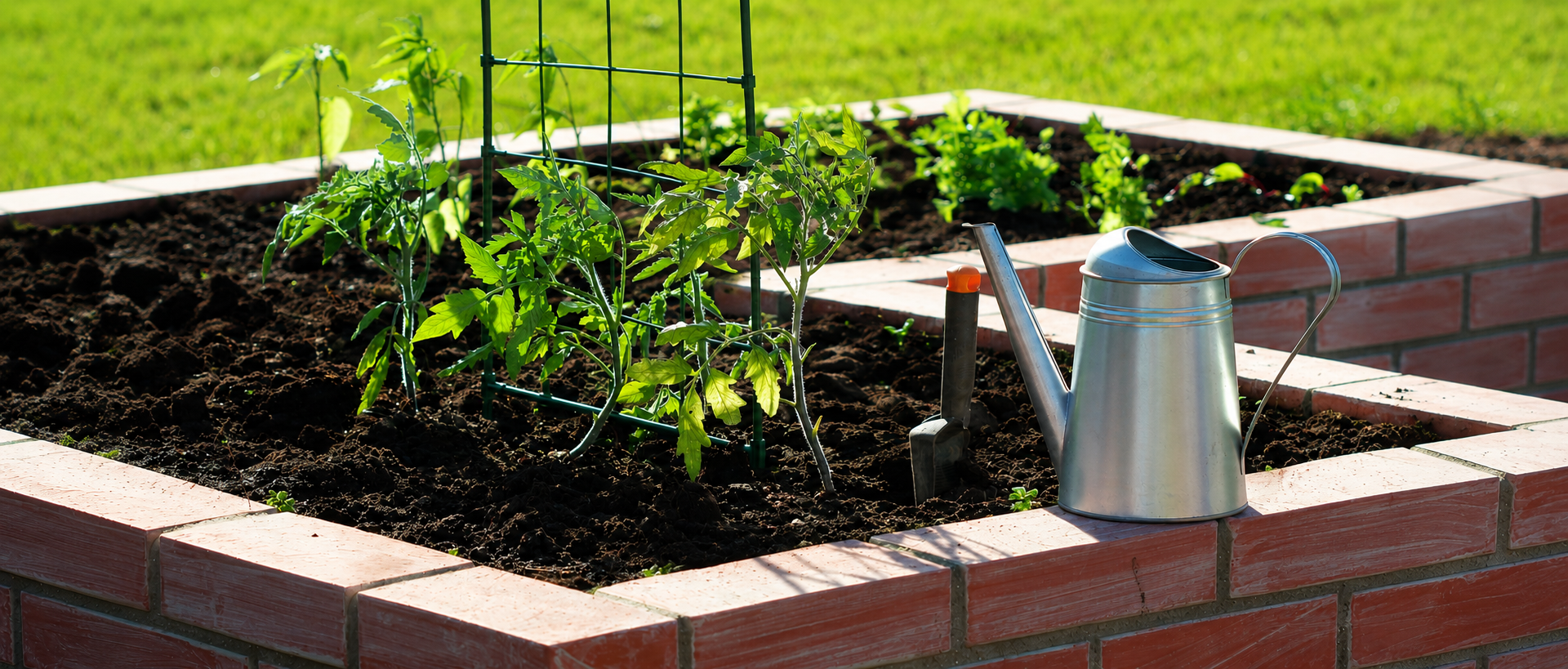
Raised garden beds are one of the smartest investments a small backyard gardener can make. They allow you to take complete control of your growing environment, regardless of what the existing soil beneath is like.
In many Australian backyards, particularly in new subdivisions and urban areas, the native soil is compacted, low in organic matter, or poorly drained. Building raised beds means you bypass this problem entirely and start with a growing medium that you have chosen and prepared specifically for the plants you want to grow.
The key to a productive raised bed is what goes inside it. Fill with quality soil for garden planting, not builder's fill or subsoil. Incorporate Searles composts and soil improvers to build a rich, biologically active growing medium that supports strong plant growth from the moment you plant. The Searles soil for garden planting range is specifically designed for raised beds and in-ground planting where soil quality needs to be established from scratch.
Containers are the most flexible tool available to small space gardeners. A well-chosen collection of pots, planter boxes, and hanging baskets can transform a bare patio, balcony, or courtyard into a layered, productive growing space, and every plant can be repositioned as seasons, light conditions, or your aesthetic preferences change.
For container-grown vegetables and herbs, Searles Specialty Fertiliser Range provides the targeted nutrition productive plants need throughout the growing season. With organically certified, mineral-based and controlled-release options available, gardeners can choose the formulation best suited to their growing style and plant requirements.
In a small garden, there is no room for sections that are only productive during certain seasons. Mixing edible plants with ornamentals throughout the space, sometimes called 'potager' style gardening, keeps every corner contributing to the overall picture year-round.
In a small backyard, every plant needs to justify its presence. This is not about being restrictive, it is about being selective. A plant that provides multiple seasons of interest, multiple functions, or multiple harvests delivers far more value in a compact space than one that performs for a few weeks and then sits dormant for the rest of the year.
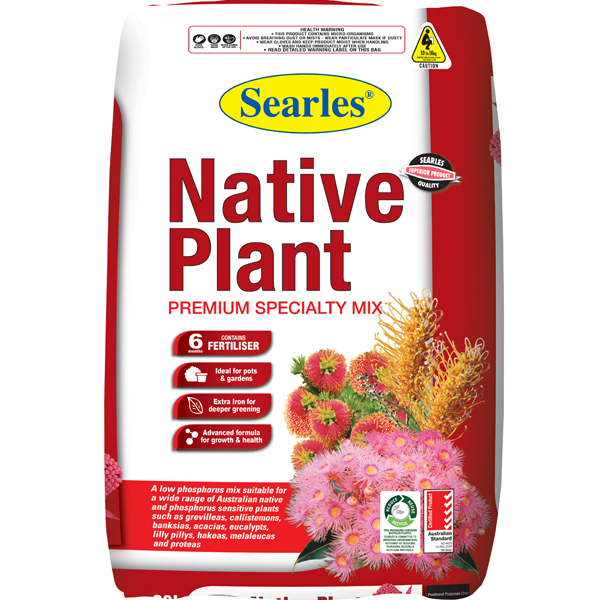
Native Australian plants are particularly strong performers by this measure. Many produce beautiful flowering displays, attract native pollinators, require significantly less water and fertiliser than exotic alternatives, and can even provide bush tucker. Searles native plants specialty mix works well for garden beds, containers, and small-space planting, making them a great choice for anyone wanting to incorporate low-maintenance, high-value plants into a compact backyard.
In short, choosing plants that do more than one thing makes your compact garden more rewarding all year round.
A small garden that feels cramped is usually one where colour, texture, and light have not been considered intentionally. With a little planning, visual techniques can make a compact space feel considerably more generous.
In a compact garden, a single pest outbreak or weed problem can affect the entire space quickly. There are fewer plants as buffers, and problems spread faster when plants are grown in close proximity to one another.
Consistent weed management is especially important in small spaces. Weeds compete directly with your chosen plants for the moisture and nutrients in your limited growing area. A layer of mulch and regular hand weeding keeps this manageable. For more persistent weed problems, Searles weed control products offer targeted solutions that address weeds without harming surrounding plants.
For protecting young plants and sensitive specimens from pests and environmental stress, Searles plant protection products provide a practical layer of defence that is particularly valuable in small gardens where individual plants are more visible and their health more apparent.
A small backyard can be one of the most rewarding growing spaces you will ever tend, when it is set up well from the start. The right soil, the right products, and the right plant choices make all the difference. To find where to buy Searles products near you, visit your nearest stockist today.
Combine vertical planting, raised beds, and containers to maximise growing space. Choose multi-functional plants and use quality soil for best results.
Herbs, salad greens, cherry tomatoes, climbing beans, chillies, and dwarf varieties of most vegetables perform well in compact Australian backyards.
Fill raised beds with quality garden planting soil and incorporate Searles compost and soil improvers for strong drainage, nutrition, and water retention.
Yes. Dwarf varieties of citrus, fig, and stone fruit grow well in large containers and deliver fruit, blossom, and foliage interest in compact spaces.
Apply a 5 to 10 cm mulch layer across all garden beds and follow up with targeted weed control products for persistent or established weed problems.
Use Searles Premium Potting Mix specifically formulated for container growing, it provides the aeration, drainage, and moisture retention that container plants need.
Found this article helpful?
Find where to buy these recommended Searles products near you!

.png)