





Fruit & Citrus Gardens
Published
March 5, 2026
Author
The Searles Gardening Team
Healthy fruit trees rely on steady care, seasonal timing, and informed decisions. At Searles Gardening, fruiting tree care is approached with an understanding of Australian climates, soil conditions, and plant behaviour. From soil preparation to harvest readiness, consistent care supports stronger growth, better yields, and long-term tree health. When managed correctly, fruit trees reward patience with reliable production year after year.
Australian conditions vary widely, and fruit trees respond directly to their environment. Temperature shifts, rainfall patterns, and regional weather extremes all influence growth, flowering, and fruit set. Trees that are well matched to local conditions experience less stress and perform more consistently across seasons.
Key influences include:
Fruiting trees are a rewarding addition to Australian gardens, providing fresh produce, shade, and natural beauty, especially when you choose varieties you'll actually want to harvest from. Whether you’re growing citrus in the backyard, stone fruit in cooler regions, or tropical varieties in the north, proper care is essential for healthy growth and reliable harvests. While fruit trees are generally hardy, they do require consistent attention throughout the year to flourish in Australia’s diverse climates.
Understanding the basics of fruiting tree care can help gardeners maximise yields, reduce pest problems, and keep trees productive for many years.
Australia’s climate varies widely, so selecting fruit trees suited to your local conditions is the first step to success. Trees that flourish in one region may struggle in another if temperature and rainfall needs aren’t met.
Examples of climate-appropriate fruit trees include:
Planting the right tree for your location reduces stress, lowers maintenance, and improves fruit quality.
Healthy soil is the foundation of strong fruiting trees. Most fruit trees prefer well-drained soil enriched with organic matter. Poor soil preparation often leads to weak growth and reduced fruit production.
Before planting, consider:
Planting fruit trees at the correct depth and spacing ensures healthy root development and reduces the risk of disease.
Watering needs vary depending on tree type, age, and climate. Newly planted fruit trees require regular watering until established, while mature trees benefit from deep, less frequent watering.
Effective watering tips include:
Using mulch around the base helps retain moisture and regulate soil temperature, which is particularly beneficial during hot Australian summers.
Fruiting trees need nutrients to support growth, flowering, and fruit development. Without proper feeding, trees may produce poor-quality fruit or become more susceptible to pests and disease.
Key fertilising practices include:
Organic fertilisers and compost are popular choices for gardeners seeking a more natural approach - Searles 5IN1 Fruit & Flower Organic Fertiliser combines blood and bone, fish and seaweed, potash, and trace elements in a 100% organic granular blend.
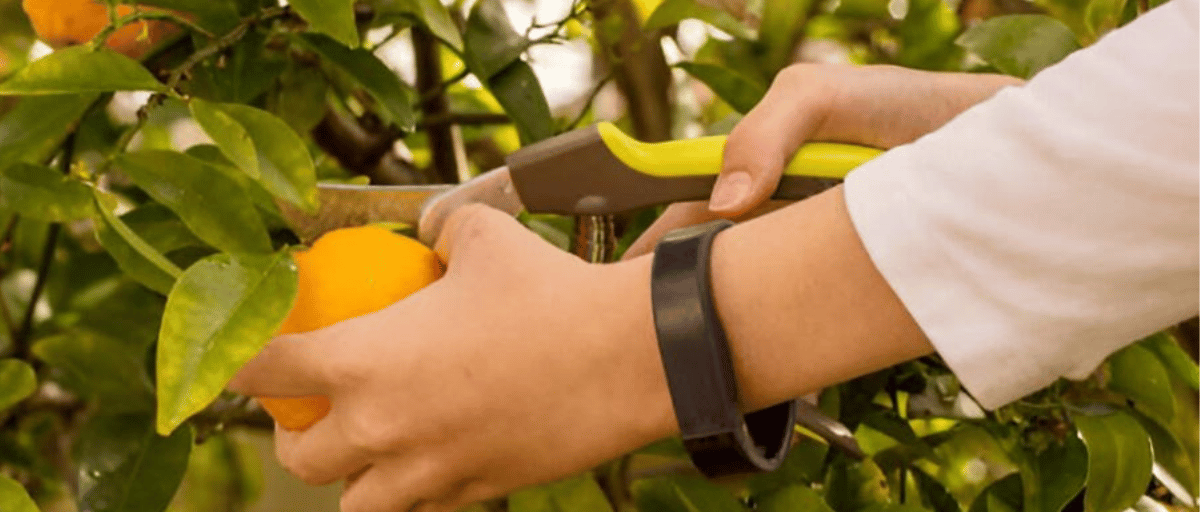
Pruning plays a vital role in fruiting tree care. It helps shape the tree, improves air circulation, and encourages the growth of fruit-bearing branches.
General pruning guidelines include:
Regular pruning not only improves fruit quality but also makes harvesting easier.
Pests and diseases can quickly damage fruit trees if not managed early. Australian gardens commonly experience issues with insects, fungal diseases, and birds.
Common pest management strategies include:
Early intervention reduces the need for harsh chemical treatments and keeps trees healthier overall.
Pollination is essential for fruit development. Some fruit trees are self-pollinating, while others require a second tree or nearby pollinators to produce fruit.
Ways to improve pollination include:
Good pollination results in better fruit size, shape, and yield.
Fruiting tree care changes with the seasons. Each stage of growth requires different attention to ensure consistent productivity.
Seasonal care tasks may include:
Following a seasonal routine helps trees stay healthy year-round.
Fruiting tree care is built on observation, timing, and consistent support rather than quick fixes. Healthy soil, balanced watering, thoughtful pruning, and steady nutrition create trees that perform reliably year after year. If you are looking to improve fruit production or establish healthy trees, Searles supports Australian gardeners with trusted products, practical advice, and solutions designed for local growing conditions. Find out where to buy today.
Fruit trees should be watered deeply during dry periods, with frequency adjusted based on soil type, tree age, and weather conditions.
Most fruit trees are pruned during their dormant period, although the ideal timing can vary depending on the species.
Yes. Fruiting trees benefit from regular fertilising to replace nutrients used during growth and fruit production.
Many fruit trees begin producing fruit within two to five years, depending on the variety, growing conditions, and care provided.
Yes. Some fruit tree varieties grow well in large containers when given proper care, adequate space, and regular feeding.
Maintaining healthy soil, correct watering practices, and regular monitoring can help reduce pest problems naturally.
Found this article helpful?
Find where to buy these recommended Searles products near you!


