

Lawn Care
Published
September 23, 2026
Author
The Searles Gardening Team
Spring is when Australian lawns really start to show what they're capable of, but it's also the season where a few well-meaning habits can quietly hold your turf back. Fertilising at the wrong time, mowing too short, or reaching for the hose more often than necessary can all undo the good work of a warming season. At Searles, we've been helping Australian gardeners grow with confidence since 1977, so here are five spring lawn care mistakes worth avoiding, and what to do instead.
It's tempting to reach for the fertiliser the moment spring officially starts, but grass roots need consistently warmer soil before they can properly take up nutrients. Feeding too early, while the soil is still cold, often means the fertiliser sits there doing very little, or worse, feeds weeds that wake up before the lawn does. Wait until you see genuine new growth before applying your first spring feed, which for most of Australia is from mid to late September onwards.
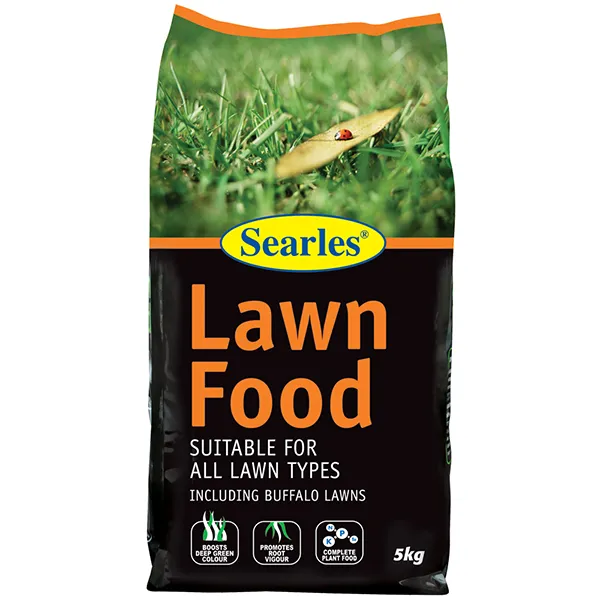
The type of fertiliser matters just as much as the timing. A lawn food with too much phosphorus can actually hold back root development in established Australian turf varieties, while the wrong blend for your grass type may not deliver the greening you're after. Searles Lawn Food is formulated with high nitrogen and added iron to support healthy leaf and root growth, and is suitable across common lawn types including buffalo varieties like Sir Walter.
Cutting a lawn short might seem like a way to reduce mowing frequency, but scalping the grass does more harm than good. Removing too much leaf blade at once shocks the plant, reduces its ability to photosynthesise, and exposes the soil to weed seeds looking for a foothold. It also encourages shallow root growth, which leaves the lawn far more vulnerable when the weather heats up over summer.
As a general rule, never remove more than a third of the grass blade in a single mow, and raise the mower height during the cooler start of spring. Keeping mower blades sharp also makes a real difference, since a clean cut heals faster than the ragged, torn edge left by a blunt blade, which can leave grass exposed to fungal disease.
A lawn that's been walked on all winter, especially through wet weather, often ends up with compacted soil underneath. Compaction stops water, air and nutrients from reaching the root zone, no matter how good the fertiliser sitting on top might be. Spring is the ideal time to aerate, either by hollow-tining or spiking the lawn, so roots have room to breathe and grow downward.
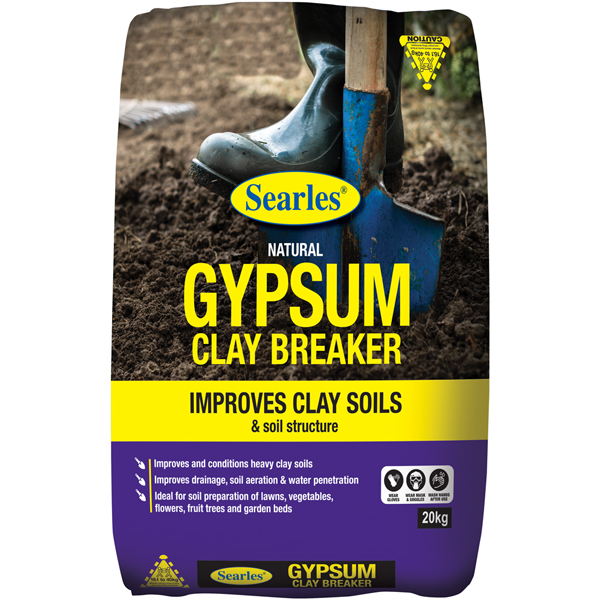
If your soil is heavy clay, aeration alone won't solve the underlying structure. Working through Searles Gypsum Clay Breaker helps break up compacted clay and improve drainage without changing the soil's pH, and following up with a light top dressing using Searles Lawn Top Dressing helps level any uneven patches while giving the lawn a fresh, even surface to grow through.
Weeds like bindii and clover germinate early in spring, often before most gardeners have started thinking about lawn care at all. Left unchecked, they establish quickly and become far harder to remove once they've spread and set seed. The same goes for lawn pests such as beetles and grubs, which do the bulk of their damage underground where it's easy to miss until brown patches start appearing on the surface.
Treating both early, rather than waiting for a visible problem, saves a lot of repair work later in the season. Searles Bindii & Clover for Lawns targets common broadleaf weeds without damaging the surrounding grass, while Searles Dead Grub Pro For Lawns controls lawn beetles and grubs before they take hold. Always check the product labels to see if it is safe to use on your lawn type.
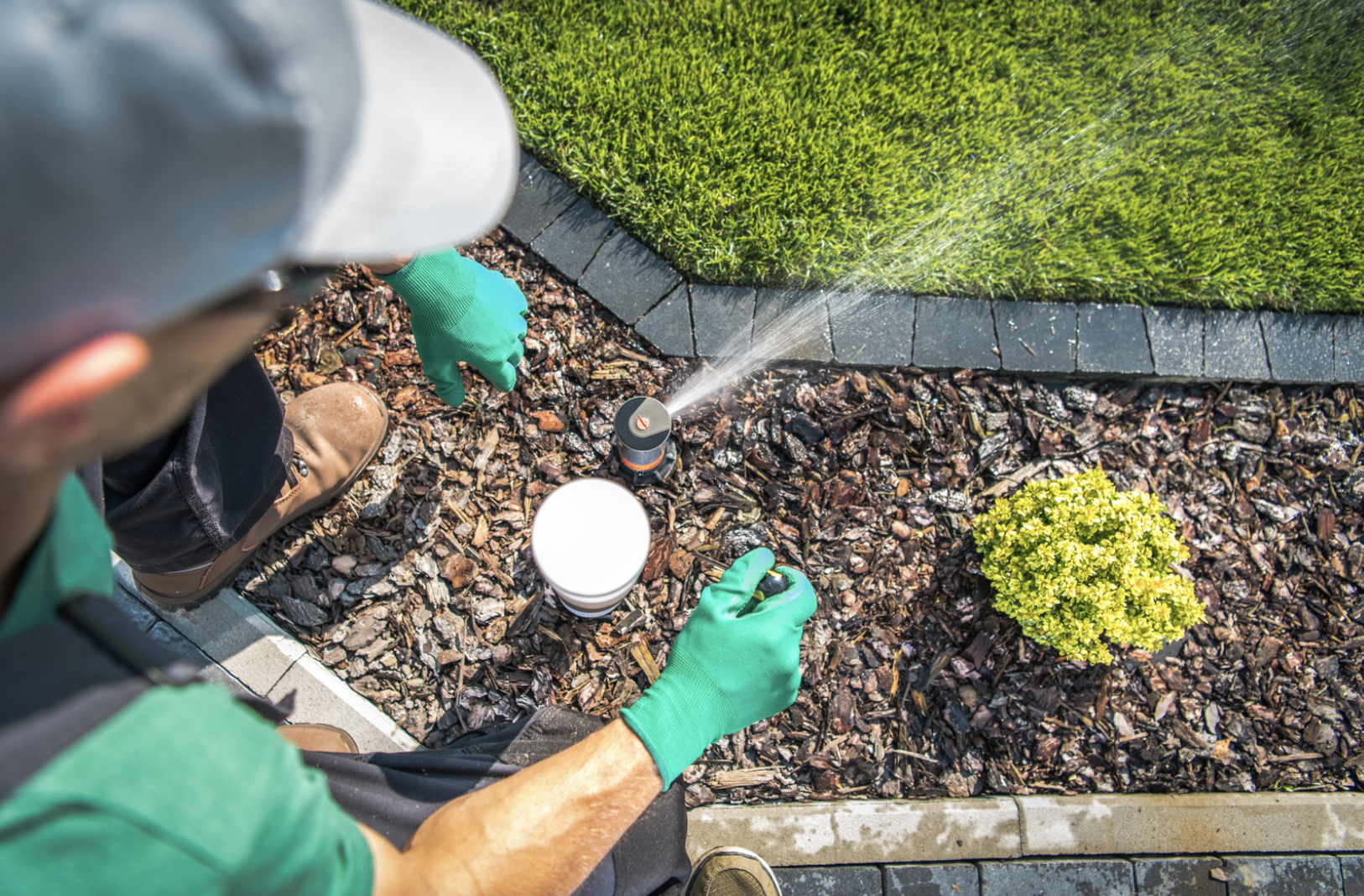
A quick daily sprinkle feels productive, but it actually works against the lawn. Light, frequent watering only wets the top few centimetres of soil, training roots to stay shallow and near the surface where they're more exposed when the weather turns hot and dry. It also creates the damp conditions that fungal diseases like brown patch and dollar spot need to take hold, particularly as spring days start warming up.
Instead, water deeply but less often, aiming for the equivalent of around 20 to 30mm once or twice a week rather than a splash every evening. Watering early in the morning gives the lawn time to dry out over the day, reducing the risk of disease, and helps the lawn build the deeper root system it will rely on through summer.
A flourishing lawn through spring comes down to good timing more than extra effort. Feed once the soil has warmed, mow with a light hand, give compacted soil room to breathe, get on top of weeds and pests early, and water deeply rather than often. Avoid these five common mistakes, and your lawn will be in a far stronger position heading into summer.
No matter where you are in Australia, you'll find the Searles lawn care range at your local garden centre. Find your closest stockist through our Where to Buy page and give your lawn the best possible start this spring.
Wait until the soil has genuinely warmed and you can see new growth, which for most of Australia falls from mid to late September. Fertilising too early, while the soil is still cold, wastes the feed and can favour weeds over grass.
Avoid removing more than a third of the grass blade in any single mow. Raise the mower height in early spring and lower it gradually as the lawn's growth rate picks up.
Not necessarily every year, but if your soil feels hard, water pools on the surface, or the lawn copped heavy foot traffic over winter, aerating in spring will make a noticeable difference to root growth.
Bindii and clover are two of the most common, along with other broadleaf weeds that germinate early in the season. Treating them as soon as they appear is far easier than dealing with an established patch later on.
Aim for deep watering once or twice a week rather than a light daily sprinkle. This encourages roots to grow deeper into the soil, which makes the lawn more resilient once summer heat arrives.
Found this article helpful?
Find where to buy these recommended Searles products near you!
.png)