

Fruit & Citrus Gardens
Published
October 7, 2026
Author
The Searles Gardening Team
Winter is a dormant season for deciduous fruit trees, not an idle one for the gardener. While your apples, pears, peaches and plums stand bare through the cooler months, they are quietly resting before an important growth spurt, and the jobs you tackle now go a long way towards deciding how well they crop once spring arrives. It is easy to walk past a leafless tree and assume there is nothing to do, but skipping winter care is one of the most common reasons home orchards under-perform. At Searles, we have been helping Australian gardeners grow with confidence since the 1970s, so here is your complete guide to winter fruit tree care, from pruning and dormant spraying through to feeding, mulching and looking after citrus.
Deciduous fruit trees spend winter redirecting their energy into roots and woody growth rather than leaves and fruit, which makes this the one time of year you can prune hard without stressing the tree. It is also the safest window to spray, since there is no foliage to damage and pests or fungal spores sheltering in the bark are fully exposed. Once buds swell and sap starts moving in spring, both jobs become riskier and less effective, so the work you put in over the next few weeks tends to matter more than anything you do once the tree is back in leaf.
If you have not yet pruned your apples, pears, peaches, nectarines, plums or apricots, late winter is genuinely your last chance to do it while the tree is bare. Start by removing anything dead, damaged, diseased or crossing, then open up the centre of the tree so light and air can reach the fruiting wood. How hard you cut back depends on the variety: peaches and nectarines fruit on last season's growth and respond well to firmer pruning, while apples and pears fruit on the same spurs for several years, so a lighter touch that preserves those spurs will serve you better. Wipe secateurs down with methylated spirits between trees so you are not spreading disease from one to the next. For a fuller rundown of technique and timing across different plants, our guide on why, when and how to prune is worth a read before you start.
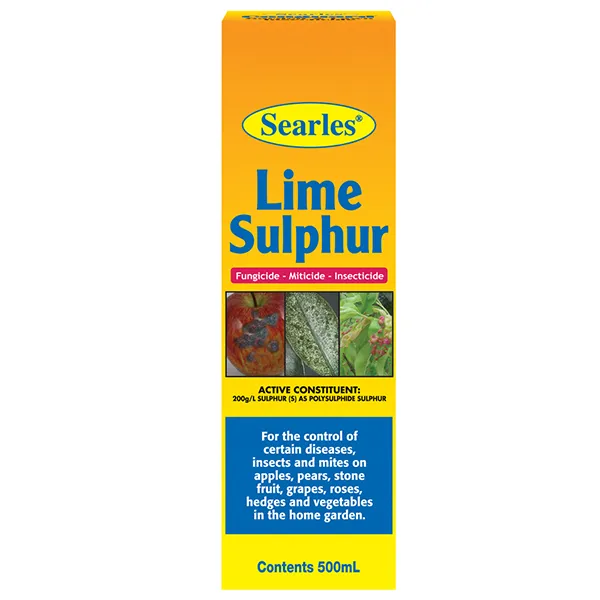
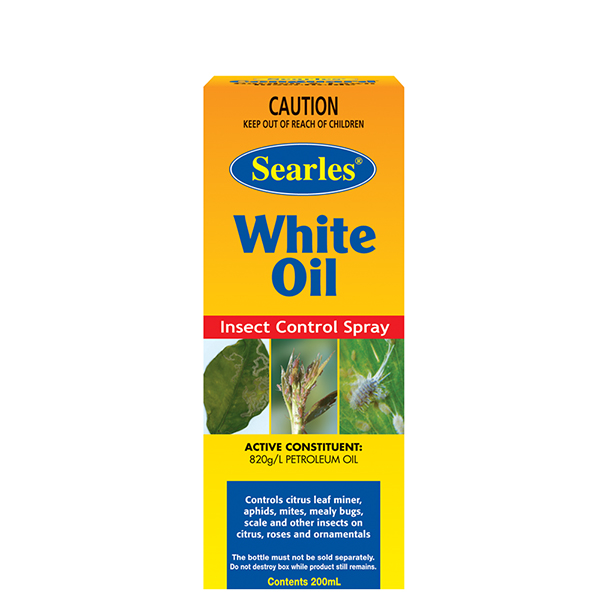
Once pruning is done, a dormant spray is the single most useful thing you can do for a healthy spring. Searles Lime Sulphur controls peach leaf curl, scale and a range of overwintering fungal problems on stone fruit, apples and pears, and should go on while the tree is fully dormant and before buds swell. If scale or mites gave you trouble last season, follow up with Searles White Oil Insect Control Spray to smother eggs sitting in the bark crevices before they hatch. Choose a still, mild day for spraying, cover the trunk and branches thoroughly, and always check the label for timing on your particular fruit variety.
It is tempting to feed established trees heavily in winter, but a big dose of nitrogen now can push soft new growth that frost will only knock back. A light application of an organic fertiliser around the drip line is enough to support root activity without forcing early growth. Once you see buds moving and the weather warms, switch to a fruit-specific feed such as Searles Flourish Soluble Plant Food - Fruit, Citrus & Berry to carry trees through flowering and fruit set. Top up mulch around the root zone too, keeping it clear of the trunk, to protect roots from temperature swings, hold onto winter rain and keep weeds from competing for moisture. If you are planting a new bare-rooted tree this month, work a specialty blend like Searles Fruit, Citrus and Rose Specialty Mix into the hole to give roots the best possible start.
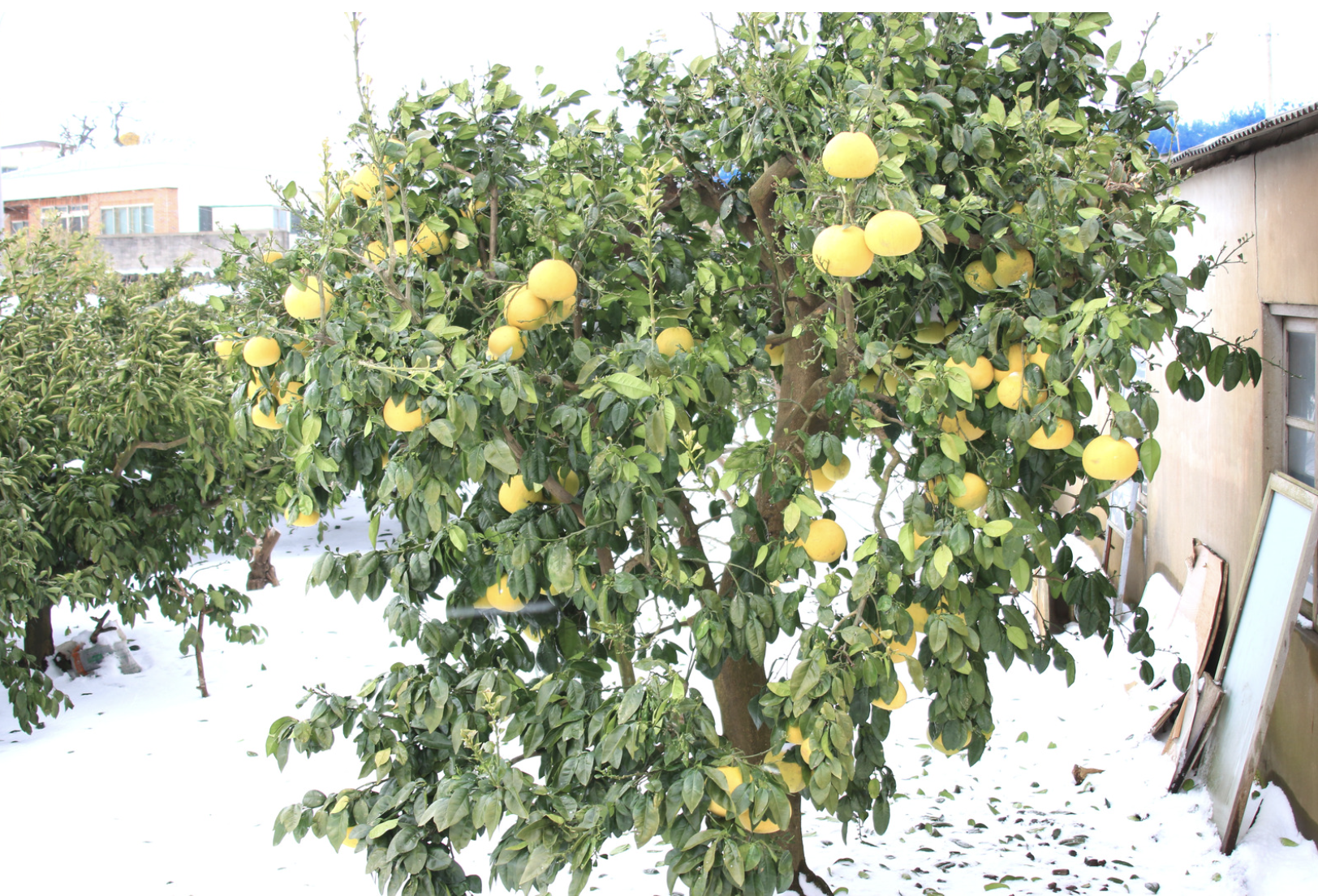
Citrus trees do not go properly dormant the way apples and stone fruit do, so treat them differently over winter. Skip the heavy pruning, since removing too much canopy now can expose bark to sunburn later and strip away wood that is protecting the trunk through the cold. In frost-prone areas, hold off on feeding altogether until the weather warms and protect young or newly planted trees with frost cloth on cold nights. Late winter is also the time to check for citrus gall wasp, the swollen, lumpy growths along young stems. Prune out and bin any affected wood before the wasps emerge in spring, rather than composting it, to stop the cycle repeating next year.
A few small habits make a real difference alongside pruning and spraying. Rake up fallen leaves and any mummified fruit still hanging on the tree, since both can harbour brown rot and leaf curl spores over winter. Check stakes and ties and loosen anything starting to bite into the bark as trunks thicken. Water deeply but less often while trees are dormant, and do not let potted specimens dry out completely even though they need less than they did in summer. Keep grass and weeds away from the base so your trees are not competing for moisture just as roots start waking up.
None of these jobs take long on their own, but together they make the difference between a tree that limps into spring and one that flowers heavily and sets a strong crop. Prune while trees are bare, spray while pests and diseases are exposed, feed lightly, mulch generously and give citrus the gentler treatment they need, and you will be well ahead when the warmer weather arrives. Whatever fruit trees you are growing and wherever you are gardening across Australia, a little attention now really does pay off later in the season.
Aim to finish pruning deciduous fruit trees while they are fully dormant and before buds start to swell, generally through mid to late winter. Pruning too close to bud burst can knock back the flush of new growth you are trying to encourage.
Dormant spraying means treating bare, leafless trees with products like lime sulphur, copper oxychloride or white oil to control diseases and overwintering pests before spring growth starts. It is worth doing every year as a preventative step, even if your trees looked healthy the season before.
Lime sulphur works well on most apples, pears and stone fruit, and apricots. However, always check the product label for guidance on specific fruit varieties and application rates.
No. Citrus are evergreen and do not benefit from a hard winter prune the way apples and stone fruit do. Some citrus varieties may also still be fruiting during winter, so avoid heavy pruning while fruit is developing or ripening. Limit pruning to removing dead, damaged or diseased wood and citrus gall wasp growth where appropriate. Save any significant shaping or thinning until after fruiting and once the risk of cold weather has passed.
Keep winter feeding light, using a gentle organic fertiliser around the root zone rather than a strong nitrogen feed. Save a dedicated fruit and citrus fertiliser for once buds swell and active growth resumes in spring.
Found this article helpful?
Find where to buy these recommended Searles products near you!

.png)