

Veggie Gardens
Published
September 17, 2026
Author
The Searles Gardening Team
September marks the official start of spring, and for Australian gardeners, it's easily one of the busiest and most rewarding months of the year. The frosts are easing in most regions, the soil is starting to warm, and the growing window is wide open. Whether you're in the tropics, a temperate coastal city, or a cooler mountain climate, this September planting guide will help you get the timing right. As always, what to plant in September in Australia depends on where you garden, so we've broken it down by climate zone to keep your spring planting on track.
Subtropical and tropical zones (Brisbane, Cairns, Darwin and coastal QLD/NT): the warm-season vegetable garden is now in full swing. Plant beans, sweet corn, tomatoes, capsicum, cucumber, zucchini, pumpkin, eggplant and sweet potato. In the tropics, aim to get crops established before the wet season humidity arrives later in the year.
Temperate zones (Sydney, coastal NSW, Melbourne, Perth, Adelaide): September is when the frost-hardy crops of winter give way to spring planting. Tomatoes, capsicum, cucumber, zucchini, pumpkin, beans and sweet corn can go in from mid to late September once the risk of frost has clearly passed, while carrots, beetroot, lettuce and spring onions can be sown right through the month.
Cold and mountain zones (Canberra, Tasmania, inland highlands): frosts can still catch out an early planting, so hold warm-season crops back until October in these areas. September is better spent planting peas, broad beans, spinach, silverbeet, onions, leeks and lettuce, along with hardening off any tomato and capsicum seedlings you started indoors back in August.
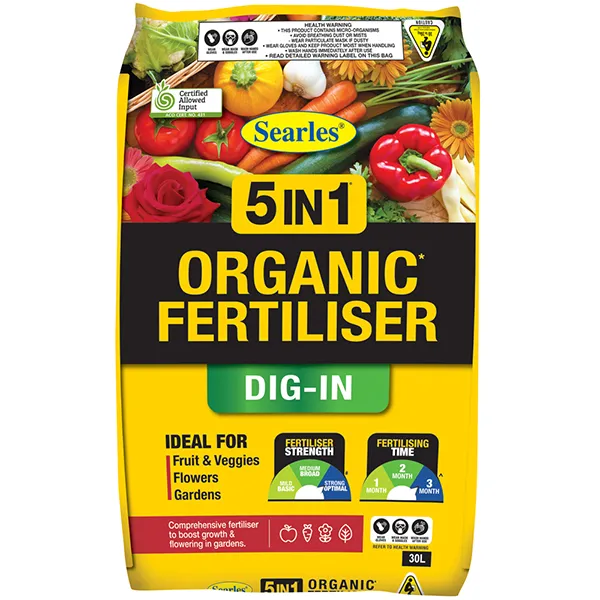
Good soil preparation makes the difference between a garden that plods along and one that produces properly. Dig through Searles 5 IN 1 Organic Fertiliser before planting to build soil structure and feed your vegetables naturally, or for pots and raised beds, a dedicated blend like Searles Herb and Vegetable Specialty Mix takes care of the guesswork.
Warmth-loving herbs really come into their own this month. Basil, chives, oregano, thyme and parsley can all be planted across most of the country, and in warmer zones you can also start growing lemongrass and mint. Coriander is best sown early in the month before the weather heats up too much, since it tends to bolt to seed once the days get warm. In cooler climates, wait until later in September or early October before planting basil, as it's easily damaged by a late frost.
Spring flowers are one of the real joys of a September garden. In temperate and cooler zones, plant seedlings of petunias, marigolds, salvias, dahlias and geraniums, and sow seeds of sunflowers, zinnias and cosmos for colour through summer. In subtropical and tropical gardens, you can plant these warm-season favourites earlier and add gerberas, portulaca and impatiens to the mix. If you missed planting your roses bare-rooted in August, potted roses can still go in now, and existing roses will appreciate a feed with Searles Rose & Flower Food as new growth appears.
The dormant, bare-rooted planting window for deciduous fruit trees has now closed, so any apples, pears, plums and peaches planted from here will be sold as potted specimens. September is an excellent month to plant citrus, however, as it gives trees a full spring and summer to establish before their first winter. Citrus trees are also flowering or setting fruit now, so a boost of potassium and trace elements helps support strong fruit development. For citrus, roses and fruiting plants in pots or garden beds, Searles Fruit, Citrus and Rose Specialty Mix gives new plantings a properly balanced start.
While spring planting tends to get all the attention, September is also the month your lawn starts waking up from its winter slowdown. As soil temperatures rise, grass roots become active again and are ready to take up nutrients. A spring lawn feed now, along with Searle lawn top dressing to fill in bare patches, sets the lawn up to fill in bare patches and build density before the heavier growth of summer. Continue feeding throughout the spring months to support healthy growth It's worth mowing a little lighter than usual for the first few cuts, and watering deeply but less frequently to encourage roots to grow down rather than up.
Once your spring vegetables and flowers are in the ground, a regular liquid feed helps them settle in and get growing quickly. Searles Flourish Soluble Plant Food - Tomato, Vegetable & Herb is a fast-acting option for new plantings and container gardens, giving young seedlings the nutrients they need to establish well.
Keep watch on the weather in cooler regions, as a late frost can still catch out tender new plantings, so hold off on tomatoes, capsicum and basil until the danger has passed in your area. Water new seedlings in well and keep the soil consistently moist while roots establish, but avoid waterlogging as temperatures climb. This is also a good month to top up mulch around garden beds, which helps conserve moisture as the weather warms and keeps weeds down before they get a foothold. If you're growing from seed, check trays daily, as warmer days mean they can dry out faster than they did over winter.
September rewards gardeners who plant with their climate in mind. Warm-season vegetables and flowers can go in across most of the country, citrus and potted fruit trees are ready for a new home, and lawns are hungry for their first spring feed. Cooler climates should still watch the frost forecast before committing to the tenderest crops, but everywhere else, the growing season is well and truly open. Prepare your soil, plant with confidence, and your garden will build real momentum through spring.
No matter where you are in Australia, you'll find the Searles range at your local garden centre. Find your closest stockist through our Where to Buy page and get planting this September.
Most of Australia can now plant warm-season vegetables like tomatoes, capsicum, cucumber, zucchini, beans and sweet corn, along with spring flowers such as petunias, marigolds and sunflowers. Cold and mountain climates should wait a little longer before planting the most frost-tender crops.
In subtropical, tropical and most temperate areas, no, September is a great time to plant tomatoes once the frost risk has passed. In cold and mountain climates, it's safer to wait until October or plant hardened-off seedlings once frosts have properly finished.
Yes, though the bare-rooted deciduous fruit tree season has ended, so trees will now be sold in pots. September is also a good month to plant citrus, giving trees a full growing season to establish before winter.
September is generally the best time for the first lawn feed of spring, as rising soil temperatures wake up grass roots and prepare the lawn for a season of active growth.
Basil, chives, oregano, thyme and parsley all do well when planted in September. Coriander is best sown early in the month before warmer weather sets in, since heat causes it to bolt to seed.
Found this article helpful?
Find where to buy these recommended Searles products near you!
.png)
.png)