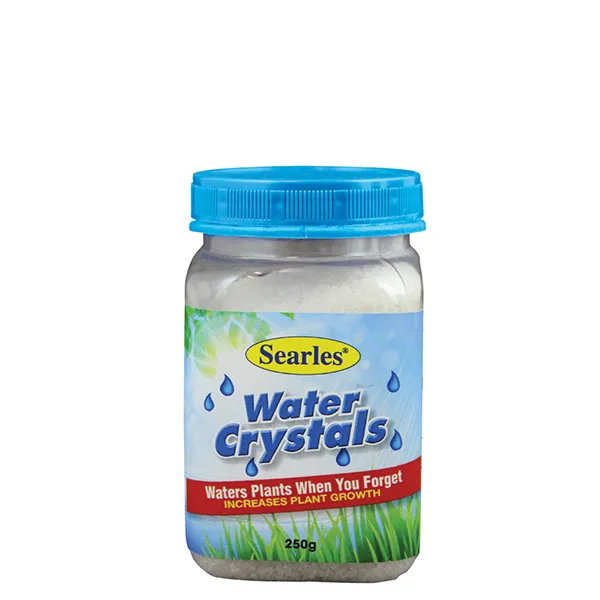
At Searles Gardening, water management and drought-resilient strategies are not afterthoughts; such measures are integral to a garden that flourish even as rainfall falters. In this article, discover how to safeguard green spaces with effective water-wise techniques, intelligent soil care, and smart systems tailored for Australian conditions. Embrace the proactive approach that ensures healthy gardens today and tomorrow.
Key Takeaways
- Adopt deep, infrequent watering and early-morning schedules to maximise water uptake.
- Use mulch, organic soil improvements, and water-wise plants to retain moisture and reduce demands.
- Install efficient systems such as drip irrigation and rainwater-capture setups, and monitor water use to adapt during dry spells.
- Choosing your garden water management approach
- Planning for drought promotes sustainable, resilient garden health.
Why water management matters in Australian gardens
- Australia’s climate presents unique challenges for outdoor landscapes, particularly in regions prone to extended dry periods. According to the Bureau of Meteorology, drought is defined as a prolonged period where water availability drops well below usual levels, influencing ecosystems, community well-being, and environmental stability.
- In garden environments, this leads to reduced soil moisture, visible plant stress, and rising water usage demands. This makes it important to look beyond simple, frequent watering and instead adopt thoughtfully planned systems, efficient practices, and plant selections that complement the conditions.
Smart watering practices
Water deeply, not lightly
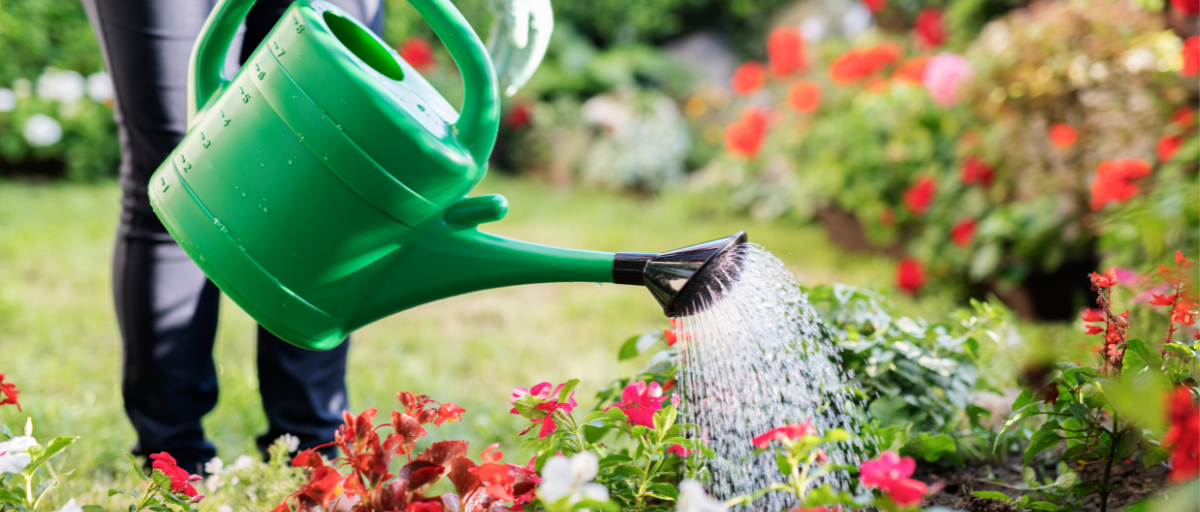
Deep watering encourages roots to travel further into the soil where moisture remains for longer. Studies emphasise that early-morning, deep irrigation supports stronger root systems and better plant stability compared to shallow, frequent watering that often evaporates quickly.
Schedule wisely
Applying water in the early hours of the day reduces evaporation, allowing moisture to penetrate deeply before temperatures rise. This approach supports more efficient water use during hotter months.
Use targeted delivery
Drip lines, soaker hoses, and mulched beds supply water directly to the root zone, where plants absorb it most effectively. This targeted method reduces wastage and minimises moisture loss from exposed soil.
Prioritise check-points
Before watering, assess the soil at a depth of 5–10 cm to determine whether further irrigation is necessary. This practice prevents overwatering, conserves water, and helps maintain balanced moisture levels.
Soil, plant selection & design for drought resilience
Soil first
- Improving soil structure is one of the most reliable ways to enhance drought resilience:
- Add organic matter, such as compost or well-rotted manure, to boost moisture retention and support soil health.
- Apply mulch to reduce evaporation, regulate temperature, and allow rainfall to reach the soil when needed.
- Prevent compaction by loosening soil so that air, water, and roots can move freely, strengthening plant growth over time. Apply Searles Penetraide if soils are compact, dry or repelling water. This product aids water penetration.
Plant choices
- Choose native or drought-tolerant species that are suitable for your climate and naturally flourish with limited water. Note that not all natives are drought tolerant.
- Group plants with similar water needs to streamline irrigation and ensure each cluster receives the appropriate amount of moisture.
- Incorporate gravel, raised beds, and hardscape elements that reduce exposed soil and lower the overall rate of evaporation.
Garden design
- Use windbreaks and strategic shade, including trees or structures, to protect plants from excessive heat and drying winds.
- Add pathways, raised features, and groundcovers to shield soil from direct sunlight and help retain moisture.
- Install rain-harvesting systems, such as tanks or barrels, to collect rainfall for later use during dry periods.
Integrating suitable product and resource choices
- Achieving a drought-resilient garden often depends on selecting tools and materials that enhance efficiency. Water-maximising products, soil conditioners, moisture-retaining additives, and quality mulches all contribute to a more sustainable water-use strategy.
- Educational guides, practical demonstrations, and step-by-step instructions support gardeners in adopting water-wise techniques. Soil-enhancing solutions help create long-lasting foundations, while specialised lawn-care products promote healthier turf areas that require less frequent watering.
Choosing your garden water management approach
When planning long-term garden improvements, especially around water efficiency, there are three common ways to manage the process:
- DIY Garden Care: This approach suits gardeners who enjoy hands-on work. It involves selecting drought-tolerant plants, adjusting irrigation schedules, installing simple water-saving tools, and making gradual improvements at your own pace. It offers flexibility and is often the most cost-effective option.
- Professional Support: Engaging a landscaper, horticulturist, or irrigation specialist ensures your garden receives expert guidance. Professionals can design tailored planting schemes, install efficient watering systems, and provide advice on achieving long-lasting results. This option is ideal for complex garden layouts or homeowners who prefer a polished, expertly planned outcome.
- Structured Garden Maintenance Plan: A maintenance plan provides a clear, ongoing schedule for upgrades and care. This may include seasonal plant changes, irrigation checks, mulching routines, and long-term water-efficiency goals. It ensures consistent attention and predictable budgeting, keeping the garden healthy year-round.
Monitoring, maintenance & adapting through dry spells
- Install soil-moisture sensors or probes to accurately assess when watering is necessary, reducing water misuse and preventing overwatering.
- Maintain mulch layers and repair gaps to reduce evaporation and protect the soil from direct exposure to heat and wind.
- Adjust watering routines seasonally, applying water less frequently but more deeply as rainfall decreases, supporting healthier root systems.
- Follow local water-restriction guidelines, including time-based rules or seasonal recommendations issued by water authorities, to stay aligned with regional requirements and conserve resources.
Conclusion
Water-wise garden management needn’t mean muted landscapes or constant worry. With the right combination of deep watering, soil improvement, efficient systems, and informed design, gardens can flourish under dryness. At Searles Gardening, we understand the unique challenges of Australian gardens and stand ready to assist every stage of the journey. Contact us today to explore how your outdoor space can be more resilient, sustainable, and vibrant.
FAQs
How often should watering occur during a drought?
Watering should be less frequent but applied for longer durations. Once the soil is moist to a depth of 5–10 cm, the next watering should only occur when the soil shows clear signs of drying.
What mulch depth is recommended for water conservation?
A mulch layer of approximately 3–5 cm is considered effective. Thicker layers may prevent rainfall from reaching the soil.
Which plants perform well in low-water gardens?
Native species and drought-tolerant plants, including varieties such as kangaroo paw, grevillea, and aloe, generally adapt well to dry conditions.
Can rainwater tanks make a genuine difference?
Rainwater tanks can substantially reduce reliance on mains water and provide a supplemental supply during prolonged dry periods.
What signals indicate over-watering in drought conditions?
Consistently wet soil, shallow root systems, and lingering surface moisture can indicate excessive watering and may contribute to root problems.
Do water restrictions affect home gardens?
Water restrictions in many regions regulate outdoor watering, often through timed schedules, reduced frequency, or temporary bans based on water availability.





.png)