

Native Plants
Published
March 5, 2026
Author
The Searles Gardening Team
Growing Australian natives doesn't have to be complicated. At Searles Gardening, the approach to native gardening is straightforward - start simply, choose plants you actually like, and let them do what they do best. Natives are some of the most resilient plants in the garden, and with a little early care and the right setup, they tend to look after themselves. Here are three tips to get you started.
Australian native plants are well suited to local conditions, which makes them a smart choice for gardeners at any level. They generally require less water, less feeding, and less intervention than many exotic species.
The hardest part of growing natives is often just getting started. Once they are in the ground, most of the work is already done.
This is probably the most important tip of all. A lot of people put off planting natives because they think their soil isn't ready, or the conditions aren't quite right. The truth is, natives are resilient plants - even heavy clay soil is workable.
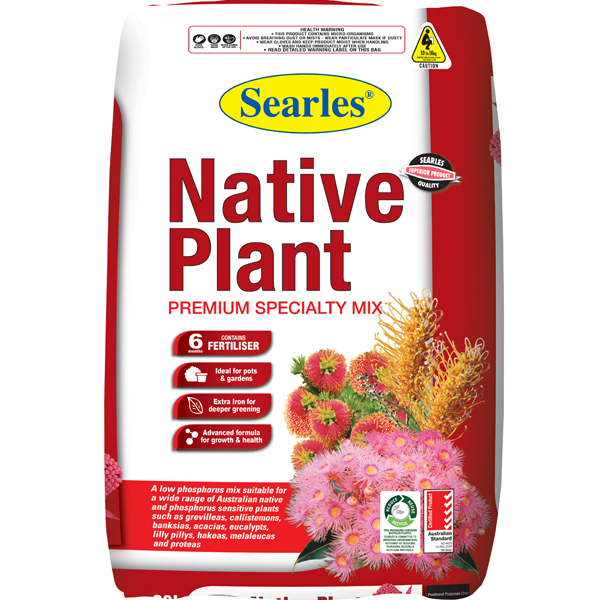
You don't need to spend weeks preparing the ground beforehand. Get them in, use a quality planting mix like Searles Native Plant Specialty Mix for planting into the garden or pots, give them a decent layer of mulch to help retain moisture and regulate soil temperature, and let them settle in. Searles Organic Sugar Cane Mulch is a 100% certified organic option that breaks down over time to gradually improve soil structure, it is a simple first step that makes a real difference.
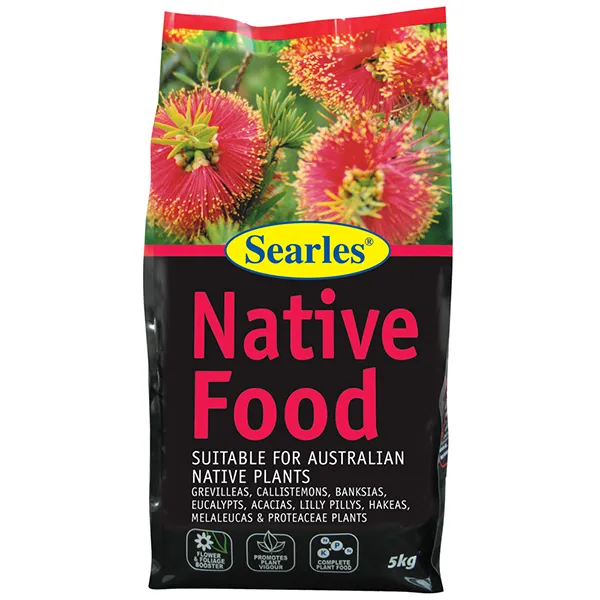
If you want to give them a little extra support in those first couple of years, a light feed with Searles Native Plant Food helps boost root, leaf, and flower growth without overdoing it. It's formulated specifically for Australian natives and is easy to apply - just scatter it around the base and water in.
This one sounds obvious, but it matters more than people realise. If you choose plants that genuinely interest you, whether that's a Banksia, a Lemon Myrtle, or a fragrant Finger Lime, you're far more likely to wander out and check on them regularly.
And that regular contact is actually one of the best things you can do for your garden. The more familiar you are with how your plants normally look, the faster you'll notice when something is off. Catching a pest problem or signs of stress early makes it much easier to deal with before it becomes a bigger issue.
A garden full of plants you love is a garden you'll want to spend time in, and that attention is what keeps it flourishing. If you're planting into pots or containers, Searles Native Plant Specialty Mix is specially formulated for Australian natives.
No plant really flourishes in isolation. A diverse mix of native species creates a more balanced, resilient garden where plants genuinely support each other - by attracting beneficial insects, improving soil biology, and reducing the impact of pests and disease.
Try to include as much variety as you can fit in. Different species flower at different times, which keeps the garden interesting across seasons and provides ongoing habitat for native wildlife.
Plants like friends. The more variety you can work in, the better the whole garden performs.
Once established, most natives need very little from you. The occasional light feed, topping up mulch as it breaks down, and keeping an eye out for any signs of stress is generally all it takes. Browse the full range of Searles fertilisers to find the right option for your natives as they mature.
Growing Australian natives is one of the most rewarding things you can do in the garden, and it's simpler than most people expect. Start now, choose plants you love, and plant plenty of variety. With a little early care and the right products, natives will do the rest. Searles Gardening supports Australian native gardeners with products designed for local conditions and local plants. Find out where to buy today.
Not extensively. Natives are adaptable and can handle a range of soil conditions including heavy clay. Getting them in the ground using a quality planting mix such as Searles Native Plant Specialty Mix, specifically designed for most Australian native planting, and mulching well is more important than spending weeks on soil prep.
An organic mulch that breaks down over time is ideal. Searles Organic Sugar Cane Mulch is a certified 100% organic option that retains moisture and gradually improves soil structure as it breaks down.
A light feed in the first couple of years helps with establishment. After that, most natives need very little. When feeding is needed, use a product formulated specifically for natives — standard fertilisers can contain phosphorus levels that are too high for many native species. Searles Native Plant Food is a good option. Browse the full fertiliser range for more.
Yes. Use a mix specifically designed for natives like Searles Native Plant Specialty Mix, which has low phosphorus levels and is suitable for grevilleas, banksias, callistemons, and more.
As many as you can fit in. Diversity is one of the best things you can do for a native garden! Different species support each other, attract wildlife, and create a more resilient, balanced garden overall.
Regular observation is the best tool. The more familiar you are with how a healthy plant looks, the faster you'll notice when something changes. Catching issues early, whether it's pests, stress, or poor drainage, makes them much easier to resolve.
Found this article helpful?
Find where to buy these recommended Searles products near you!