

Veggie Gardens
Published
September 30, 2026
Author
The Searles Gardening Team
If you've ever stood in the seedling aisle wondering which punnet is going to reward you and which one is going to test your patience, you're not alone. It's the question we get asked more than almost any other, especially from first-time gardeners: what's actually easy to grow? We recently teamed up with urban gardener Kia (you might have seen her ranking winter vegetables from easiest to trickiest on Instagram) to put some garden favourites to the test. The verdict lined up with what our team sees at garden centres every winter: some vegetables are genuinely low fuss, a few need a little more attention, and almost all of them are doable for a beginner if you set your garden up properly from the start. Winter, in particular, is a kind season to be new at this. Cooler temperatures mean fewer pests, slower water loss from the soil, and less pressure on plants generally, so mistakes are easier to recover from than they are in the heat of summer. Here's how our winter favourites stack up, and what to plant if you want a veggie patch that looks after itself.
If you only plant two things this winter, make them beetroot and spring onions. Both can be sown directly into the garden bed, both cope well with cooler soil temperatures, and neither asks for much beyond a sunny spot and regular water. Beetroot needs a light thinning once seedlings come up, since each seed cluster produces a few sprouts, but after that it's largely hands off until harvest in eight to ten weeks. Spring onions are even more relaxed. Snip what you need and leave the rest in the ground to keep growing, and you'll have a steady supply through the cooler months without replanting.
This group is where most home gardens live, and for good reason. Lettuce and other leafy greens grow quickly in winter's cooler conditions and can be picked leaf by leaf so a single planting keeps giving for weeks. Silverbeet is even more obliging. It's one of the most forgiving vegetables in an Australian garden and will keep producing through winter with barely any intervention, and herbs planted alongside it round out the bed nicely for very little extra work.
Carrots and leeks fall into the same bracket for a different reason. Carrots are a genuine sow-and-forget crop as long as your soil is loose and free of large clumps or stones, since anything blocking the root will show up as a forked or stunted carrot at harvest. Leeks are slower to mature but far more forgiving of a missed watering or two than most vegetables, which makes them a good choice if your garden routine is a little inconsistent. Neither crop asks for special fertilising or staking, just a reasonably deep bed and a bit of patience while they build size underground.
Cauliflower, broccoli, brussels sprouts and kale are still well within reach for a beginner, but they're a step up in effort. Brassicas are thirstier than the crops above and will bolt or stall if the soil dries out between waterings, so consistency matters more here than with beetroot or silverbeet. They're also the vegetables most likely to attract cabbage white butterflies, whose caterpillars can shred leaves quickly if left unchecked. A simple insect exclusion net over the bed solves most of the problem without any spraying. Brassicas are also hungrier feeders than root vegetables or leafy greens, so a side dressing of a vegetable-specific fertiliser partway through the season helps them keep growing steadily rather than stalling. The payoff is worth it. Homegrown broccoli and cauliflower have a flavour that's hard to match, and kale in particular will flourish and keep producing leaves for months once it's established.
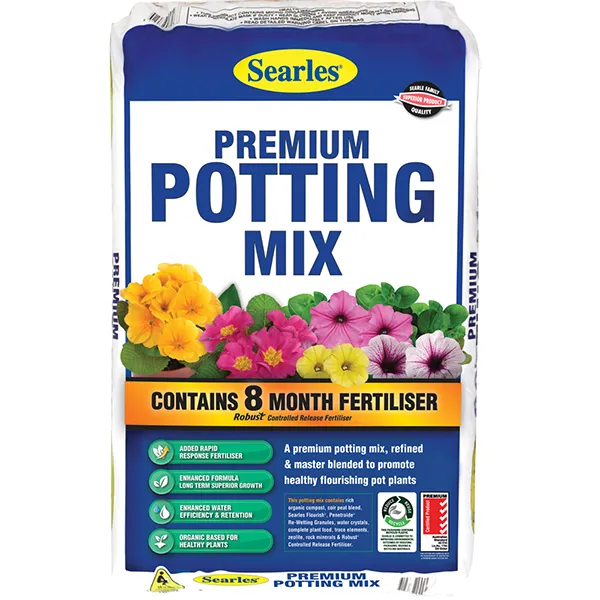
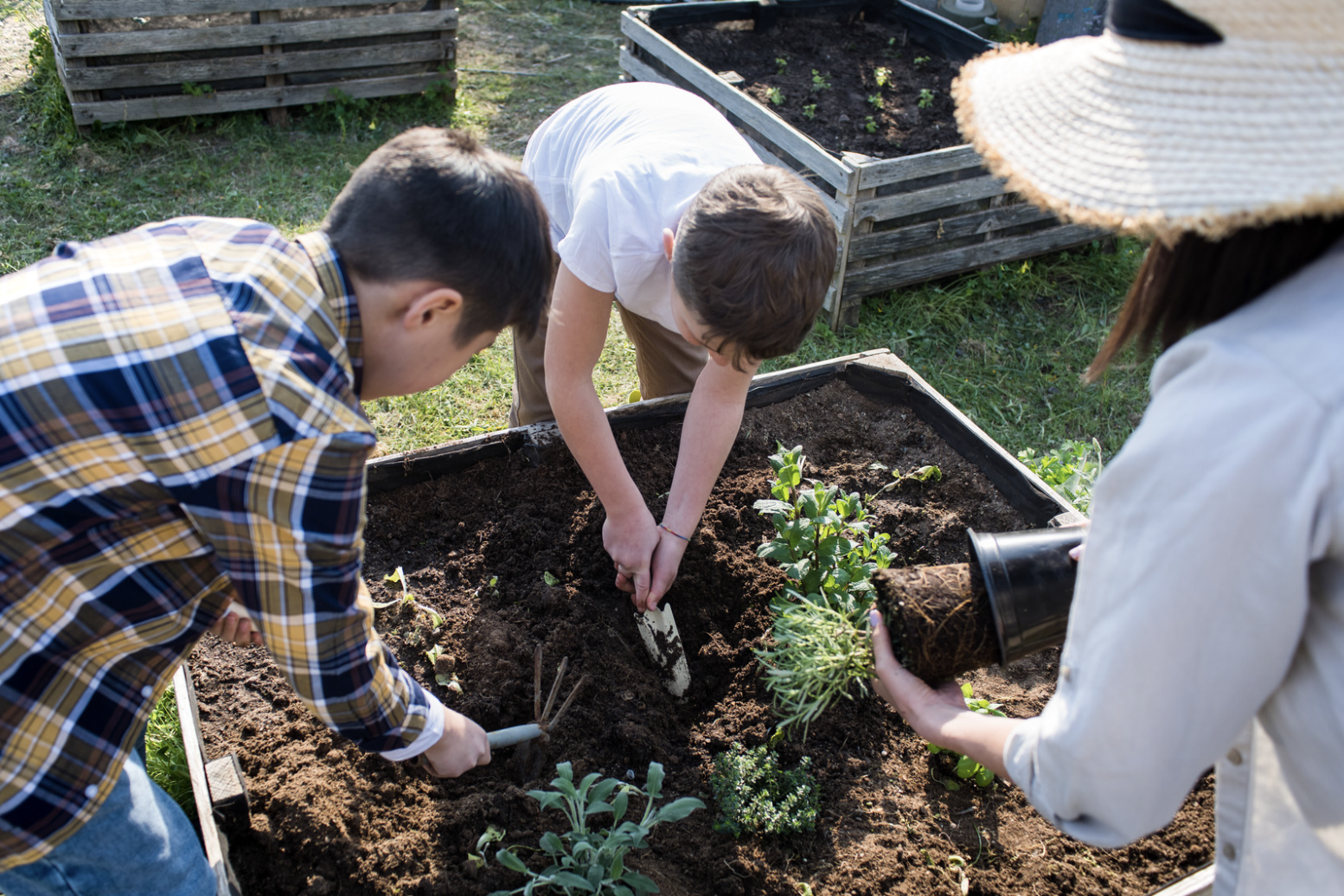
Every experienced gardener will tell you the same thing: the effort you put in before you plant matters more than anything you do afterwards. Vegetables planted into poor, compacted soil will always be harder work, no matter how easy the variety is supposed to be. Starting with a quality mix like Searles Herb and Vegetable Specialty Mix gives roots the loose, well-drained structure they need to get going. It’s ideal for gardens, pots, raised beds and topping up existing soil. For a general-purpose option, Searles Premium Potting Mix also works well for pots and top-ups.
Once everything is planted, a layer of Searles Sugar Cane Mulch over the surface does a surprising amount of the ongoing work for you. It keeps moisture in the soil for longer between waterings, suppresses the winter weeds that compete with young seedlings for nutrients, and breaks down over time to add organic matter back into the bed. It's a small step that makes every vegetable on this list, even the trickier brassicas, noticeably easier to manage.
Winter is a genuinely forgiving season to start a vegetable garden, and you don't need years of experience to get a good result. Begin with beetroot, spring onions, silverbeet and carrots if you want quick wins, then branch out into brassicas once you've got a feel for your garden's rhythm. Whichever vegetables you choose, the biggest difference you can make is below the surface: good soil and a layer of mulch will help almost anything on this list flourish, even in the middle of winter.
There's no single "correct" way to build a winter veggie patch, and a little trial and error is part of the fun. Keep notes on what grows well in your particular spot, since microclimates in the one backyard can vary more than you'd expect, and adjust next season accordingly.
If you're starting from scratch, our guide on resetting your garden beds for winter crops walks through preparing your soil before any of these vegetables go in the ground.
Beetroot and spring onions are generally the easiest. Both can be sown directly into the garden, cope well with cool soil and need little more than a sunny position and regular water.
No. Most of the vegetables in this ranking, including beetroot, leafy greens, silverbeet and herbs, grow well in raised beds, pots or small courtyard gardens as long as they're planted in a quality mix with good drainage.
Brassicas are thirstier than crops like beetroot or silverbeet and will stall if the soil dries out. They're also a target for cabbage white butterfly caterpillars, so a net over the bed and consistent watering make a big difference.
Start with a good quality potting or garden mix, then add a layer of mulch once everything is planted. Together they cut down on watering and weeding, which is where most of the ongoing effort in a vegetable garden comes from.
Less often than in summer, but more deeply each time. Check the soil a few centimetres down before watering, and rely on a layer of mulch to slow evaporation between waterings.
Found this article helpful?
Find where to buy these recommended Searles products near you!
.png)