


Veggie Gardens
Published
November 12, 2026
Author
The Searles Gardening Team
You head out in the morning to pick a few leaves for dinner and find your kale looking like lace. Somewhere overnight, something has had a feast. Summer is when veggie patches burst into life, and it's also when the bugs move in. The good news is you don't need a shed full of chemicals. Check your plants often, catch pests early and keep your soil and plants healthy, and a few nibbles will never turn into a lost crop. You're not alone in asking about this either: searches for "how to keep bugs out of vegetable garden" have risen 150 per cent over five years, according to Google Trends. Here's what to do.
Most damage starts small, so knowing what to look for means you can stop it before your crops get eaten. Check the undersides of leaves and the soft new tips, because that's where most pests hide.
A few bugs are normal in any healthy garden. What you're watching for is numbers building up.
Simple habits are the easiest win. They cost nothing and stop most problems early.
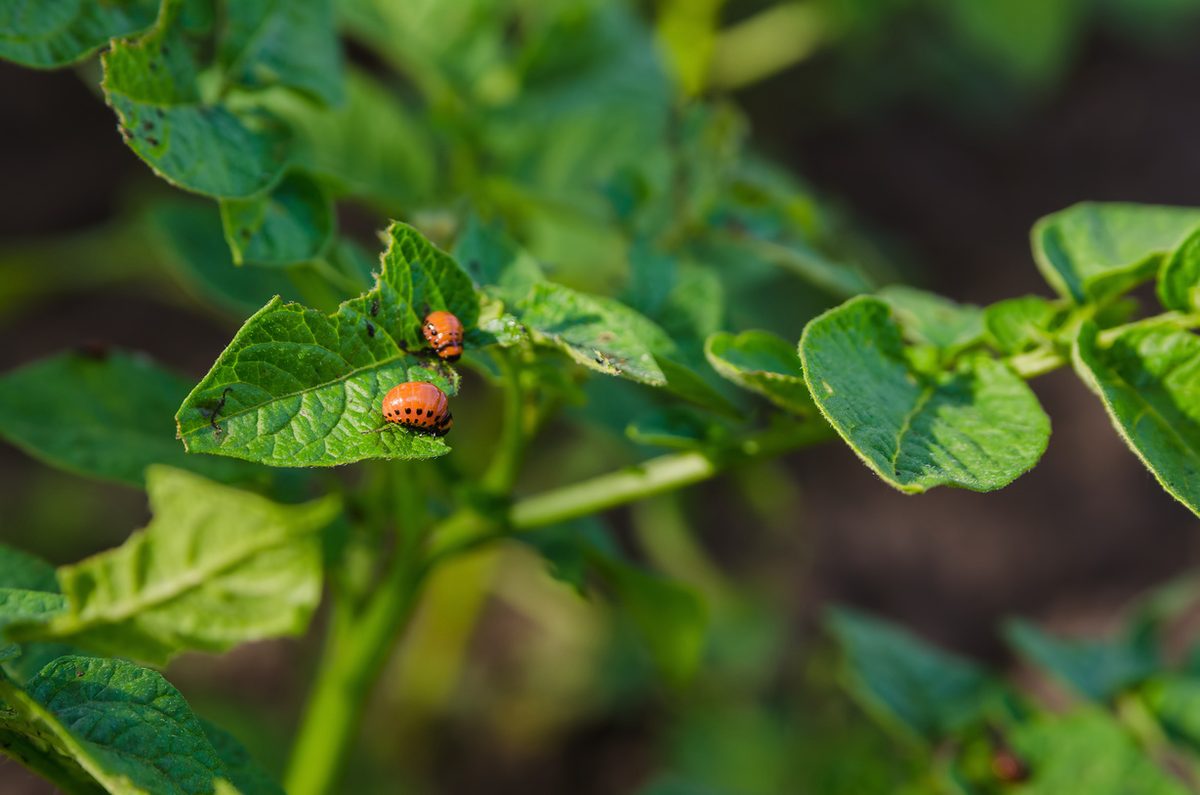
Your garden has its own pest control team. Ladybird larvae usually keep aphids under control, and the aphid midge feeds on aphids too, with one female laying over 100 eggs among aphid colonies. Hoverflies and lacewings also eat aphids.
Give these good bugs a reason to visit. Companion planting can help repel pests and give you a more balanced, productive garden. Try:
Ask your local garden centre for seedlings, as Searles doesn't sell plants. One more tip: go easy on sprays, because broad sprays can kill the good bugs as well as the bad.
Pests tend to go for plants that are already stressed by heat, thirst or hunger. Strong, well-fed plants bounce back faster from a bit of damage.
For more on building a healthy patch, read our guide to growing an organic vegetable garden.
If numbers keep climbing after you've picked, hosed and netted, it's time for a spray made for food plants.
Always follow the label, spray in the cool of early morning or evening, and check the label for any wait before harvest. You'll find more options in the Searles product range, and our page on controlling aphids has more tips.
Keeping bugs out of your vegetable garden doesn't need to be a big job. Check often, act early, invite the good bugs in, feed your soil and spray only when you need to. Expect a few holes along the way. That's part of growing your own, and your harvest will still be worth it.
Get Searles Bug Beater, Ecofend and 5 IN 1 Organic Fertiliser before the bugs find your veggies. Find a Searles stockist near you.
Check your plants every day or two, pick off caterpillars and snails, and hose aphids off new growth. Cover brassicas with fine netting and plant flowers that bring in ladybirds and hoverflies. Companion planting can also help repel pests.
Neat holes in cabbage, kale or broccoli leaves are usually caterpillars, often from cabbage moth. Ragged holes with silvery trails point to snails or slugs, which feed at night. Check under leaves in the morning, and at night with a torch, to find the culprit.
Searles Bug Beater Natural Pyrethrum Spray is made for use on vegetables and food plants and kills pests on contact. Always follow the label directions and check it for any wait before harvest.
Aphids gather on new growth, and ladybird larvae usually keep them under control. Hose them off with water and avoid broad sprays that kill helpful insects. For bad infestations, Searles recommends Bug Beater, a natural pyrethrum spray.
Alyssum, marigolds, nasturtiums and flowering herbs such as basil, coriander and dill are popular choices to plant among veggies. They attract helpful insects like hoverflies and ladybirds that eat pests.
Found this article helpful?
Find where to buy these recommended Searles products near you!


